
Your thyroid is a small, butterfly-shaped gland in your neck, but it has a big job: it sets the pace for your metabolism. Its hormones influence energy levels, body temperature, heart rate, mood, skin, and hair. And to make those hormones, your thyroid needs one key mineral: iodine.
How the thyroid uses iodine
The thyroid makes two main hormones, T4 (thyroxine) and T3 (triiodothyronine). The numbers refer to how many iodine atoms each one carries. T4 is the storage form; the body converts it into T3, the active form, in tissues throughout the body. The brain’s pituitary gland keeps an eye on the process and sends out TSH (thyroid-stimulating hormone) to ask for more when levels drop.
Without enough iodine, the thyroid simply can’t produce enough hormone. But balance matters in both directions — too much iodine can also disrupt thyroid function.
Why iodine intake is slipping
Iodine deficiency was once common in inland regions until iodized salt became widespread. Today, several modern habits are quietly lowering intake again:
- Processed foods are made with non-iodized salt.
- Sea salt and specialty salts have replaced iodized table salt in many kitchens.
- Low-sodium and restrictive diets can cut out major iodine sources.
- Plant-based diets may contain little iodine unless seaweed is included.
Other factors that affect the thyroid
Iodine isn’t the whole story. Genetics, stress, selenium and zinc status, vitamin D levels, and immune health all influence how well the thyroid works and how efficiently T4 is converted into T3. That’s why it’s important to work with a health care provider if you have concerns about your thyroid.
Iodine-rich foods
- Seaweed such as kelp, nori, and dulse — among the richest natural sources.
- Seafood including cod, shrimp, tuna, and salmon.
- Eggs, especially the yolk.
- Dairy such as milk, yogurt, and cheese.
- Iodized salt, used in moderation.
How much do you need?
Most adults need about 150 micrograms of iodine per day. Needs rise during pregnancy and breastfeeding (roughly 220–290 micrograms). More isn’t better: excess iodine can cause problems of its own, so check with your health care provider before supplementing, especially if you have a known thyroid condition or take thyroid medication.
Supplement support
When diet alone falls short, Systemic Formulas offers formulas that combine iodine with supporting nutrients:
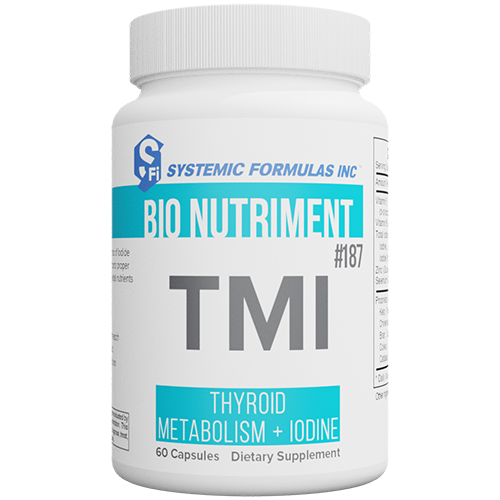
- TMI – Thyroid, Metabolism, & Iodine — includes kelp and dulse.
- TMI LQ — a liquid version for those who prefer not to swallow capsules.
- Gf – Thyroid — nutritional support for the thyroid gland.
The takeaway
Iodine is essential for a healthy thyroid, and many people are getting less than they think. Focus on iodine-rich foods first, supplement thoughtfully when needed, and partner with your health care provider to find the balance that’s right for you.
These statements have not been evaluated by the Food and Drug Administration. These products are not intended to diagnose, treat, cure, or prevent any disease. Consult your health care provider before taking iodine, especially if you have a thyroid condition, are pregnant or nursing, or take medication.