
When people think about heart health, they usually think about exercise, stress, and cutting back on junk food. But one of the most important factors is easy to overlook: the types of fat on your plate. Omega-3 and omega-6 fatty acids are both essential — your body can’t make them, so they have to come from food — and the balance between them matters a great deal.
Meet the omega-3s
Omega-3s are polyunsaturated fats that come in three main forms:
- ALA (alpha-linolenic acid) — found in flaxseed, chia, hemp, and walnuts.
- EPA (eicosapentaenoic acid) and DHA (docosahexaenoic acid) — found mainly in fatty fish such as salmon, sardines, mackerel, and anchovies.
EPA and DHA are the most studied for cardiovascular wellness. They help maintain healthy triglyceride levels, support flexible blood vessels, and help the body produce compounds that keep the inflammatory response in balance.
Omega-6s: necessary, but easy to overdo
Omega-6 fats, mainly linoleic acid and arachidonic acid, are also essential for growth, skin, and normal body function. They’re found in vegetable and seed oils (corn, sunflower, soybean, canola), meat, eggs, nuts, and seeds.
The problem isn’t omega-6 itself — it’s quantity. Omega-6s tend to be converted into compounds that encourage inflammation, while omega-3s favor compounds that calm it. When omega-6 intake dwarfs omega-3 intake, the scale tips.
Why the ratio matters
Our ancestors are thought to have eaten these fats in roughly equal amounts. Today, thanks to processed foods and cheap seed oils, the typical Western diet is estimated at around 15 parts omega-6 to every 1 part omega-3. Research suggests that bringing that ratio down — to about 4:1 or lower — is associated with better cardiovascular outcomes.
How to rebalance your plate
Eat less omega-6:
- Cut back on fried foods, packaged snacks, and fast food.
- Cook with olive oil or avocado oil instead of corn, soybean, or sunflower oil.
- Read labels — seed oils hide in dressings, sauces, and baked goods.
Eat more omega-3:
- Aim for fatty fish two to three times a week.
- Sprinkle ground flaxseed or chia on oatmeal, yogurt, or smoothies.
- Snack on walnuts.
When a supplement makes sense
If you don’t eat fish regularly, an omega supplement is a convenient way to get EPA and DHA. Typical intakes range from about 1,000 to 4,000 mg of combined EPA and DHA per day, but the right amount depends on you — so check with your health care provider, especially if you take blood thinners, since high doses can affect clotting.
Systemic Formulas offers several options:
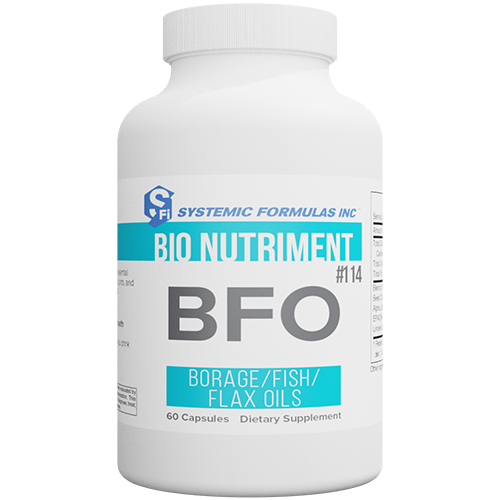
- BFO – Borage/Flax/Fish Oil — a blend of plant and marine omegas.
- RPM Omega — omega-3s plus pro-resolving mediators that support a healthy inflammatory response.
- CVO-R – Cardiovascular Oil — formulated specifically for cardiovascular support.
The takeaway
Omega-3 and omega-6 aren’t rivals — they’re partners that need to be kept in proportion. A few simple swaps in the kitchen, plus quality omega-3s, can go a long way toward supporting a healthy heart.
These statements have not been evaluated by the Food and Drug Administration. These products are not intended to diagnose, treat, cure, or prevent any disease. Consult your health care provider before starting any supplement, especially if you take medication.