You may have heard the word “methylation” in conversations about MTHFR, B vitamins, or detox. It sounds technical, but the idea is simple: methylation is the act of attaching a tiny chemical tag — a methyl group, one carbon and three hydrogens — to another molecule. That small tag can switch genes on or off, help build brain chemicals, and help your body process hormones and toxins.
How the methylation cycle works
Methylation is part of a larger loop often called the one-carbon cycle. Here’s the short version:
- You eat protein, which contains the amino acid methionine.
- Your body turns methionine into SAMe (S-adenosylmethionine), the body’s main methyl donor.
- SAMe hands its methyl group to DNA, proteins, neurotransmitters, and more.
- What’s left becomes homocysteine, which must be recycled back into methionine or converted into other useful compounds.
That recycling step depends heavily on folate and vitamin B12. When they’re in short supply, homocysteine can build up — something health care providers often check for as a marker of cardiovascular and cognitive health.
Why methylation matters
- Detoxification: Methylation is one of the liver’s phase 2 pathways, helping make certain compounds easier to eliminate through bile and urine.
- Hormone balance: It helps the body process estrogen into less active forms.
- Mood and focus: It’s needed to make and regulate neurotransmitters like serotonin, dopamine, and norepinephrine.
- Gene expression: Methyl tags on DNA help determine which genes are active — part of the field known as epigenetics.
- Pregnancy: Adequate folate supports healthy fetal development, which is why prenatal vitamins emphasize it.
What about MTHFR and other genes?
MTHFR is the best-known methylation gene. It makes the enzyme that converts folate into its active form, 5-MTHF. Common variants (such as C677T and A1298C) can slow that enzyme down. Other genes, like MTR, MTRR, and MTHFD1, also influence how efficiently the cycle runs. Having a variant isn’t a diagnosis — it simply means your nutritional needs may differ, which is worth discussing with a practitioner.
Nutrients that support healthy methylation
- Vitamin B12, especially methylcobalamin, which supports nerve health and homocysteine recycling.
- Folate, ideally in the active 5-MTHF form, rather than relying only on synthetic folic acid.
- Vitamins B6 and B2, which help run related pathways.
- Betaine and choline, found in beets, eggs, and spinach, which offer a backup route for recycling homocysteine.
- Magnesium and zinc, cofactors for many of the enzymes involved.
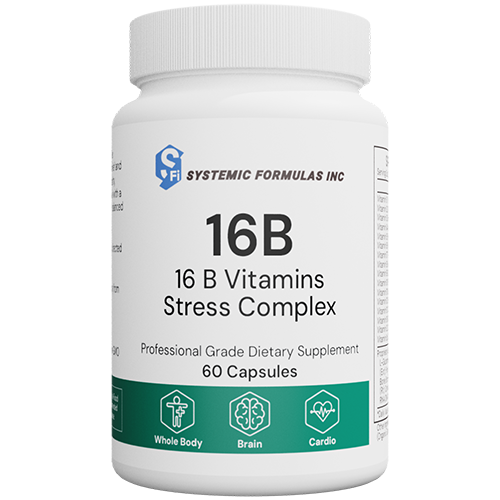
Food comes first: leafy greens, legumes, eggs, fish, and quality meats all provide methylation nutrients. For extra support, Systemic Formulas offers 16B – Vitamin B Stress Complex, a broad B-vitamin formula, and DB12, which pairs vitamin B12 with digestive support to help absorption.
The takeaway
Methylation is small chemistry with big effects. A nutrient-dense diet, enough B vitamins, and attention to your individual needs can help keep this essential process running smoothly.
These statements have not been evaluated by the Food and Drug Administration. These products are not intended to diagnose, treat, cure, or prevent any disease. Consult your health care provider before starting any supplement, especially if you are pregnant, nursing, or taking medication.